Training in household-related services
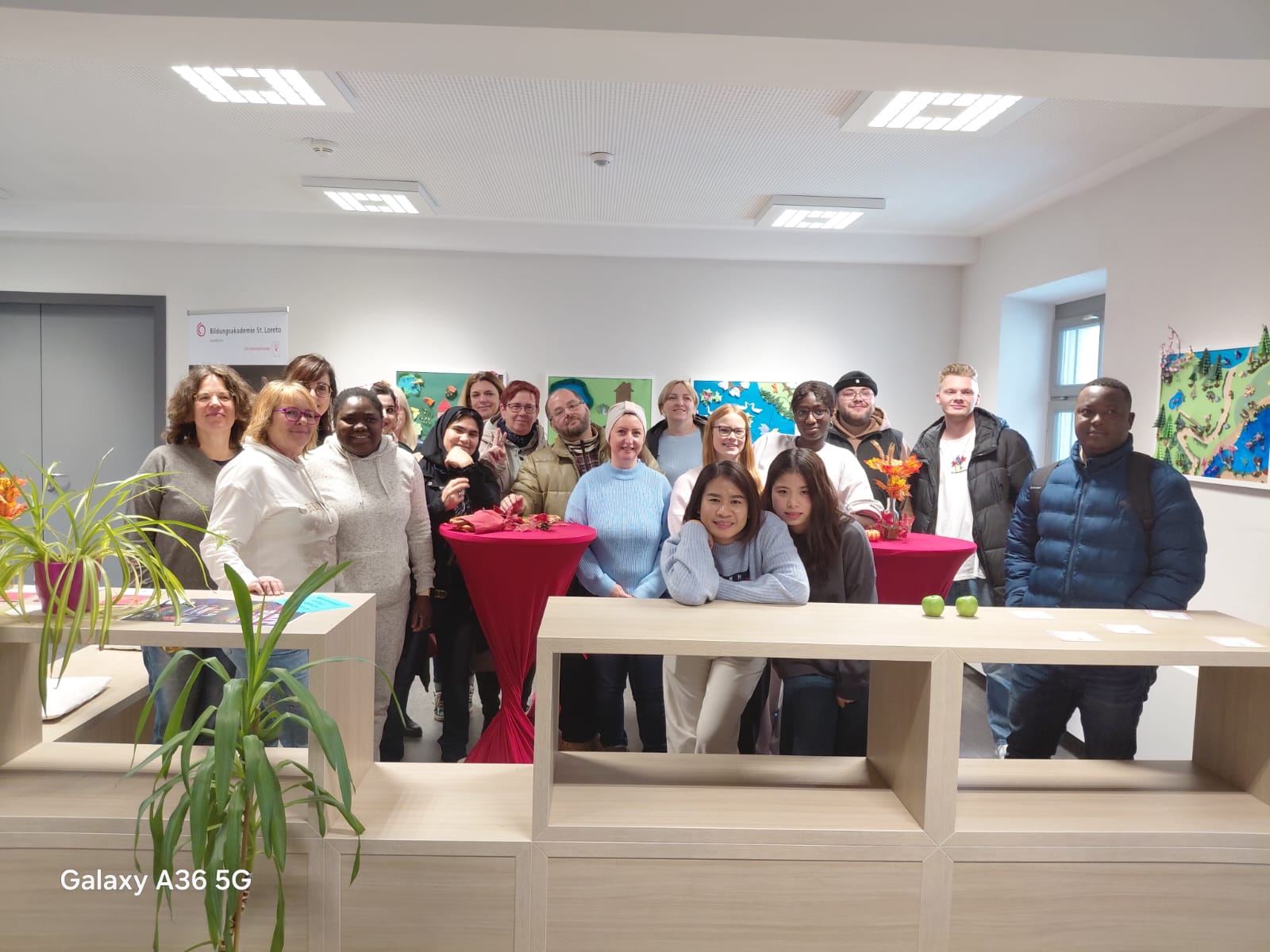
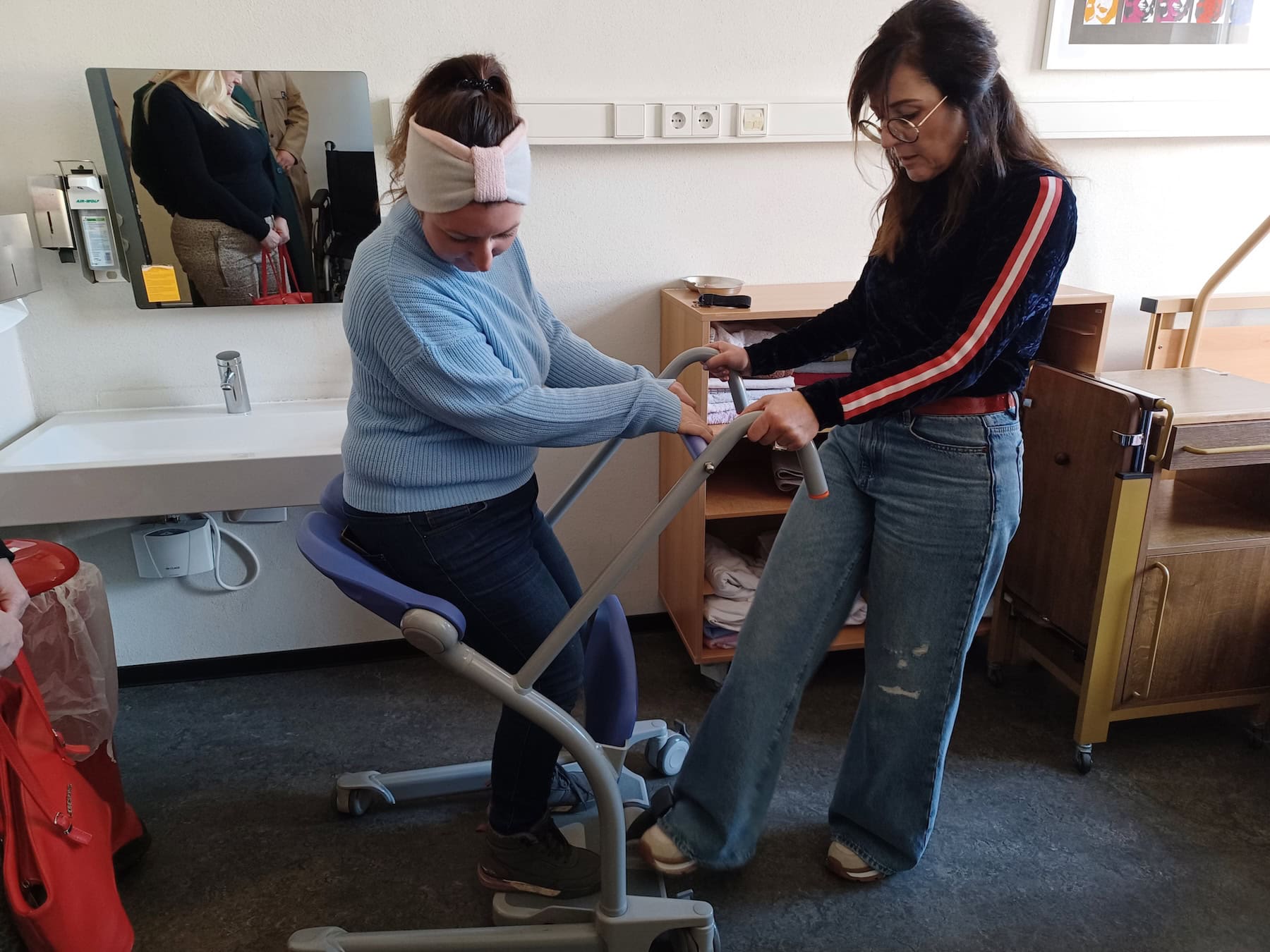
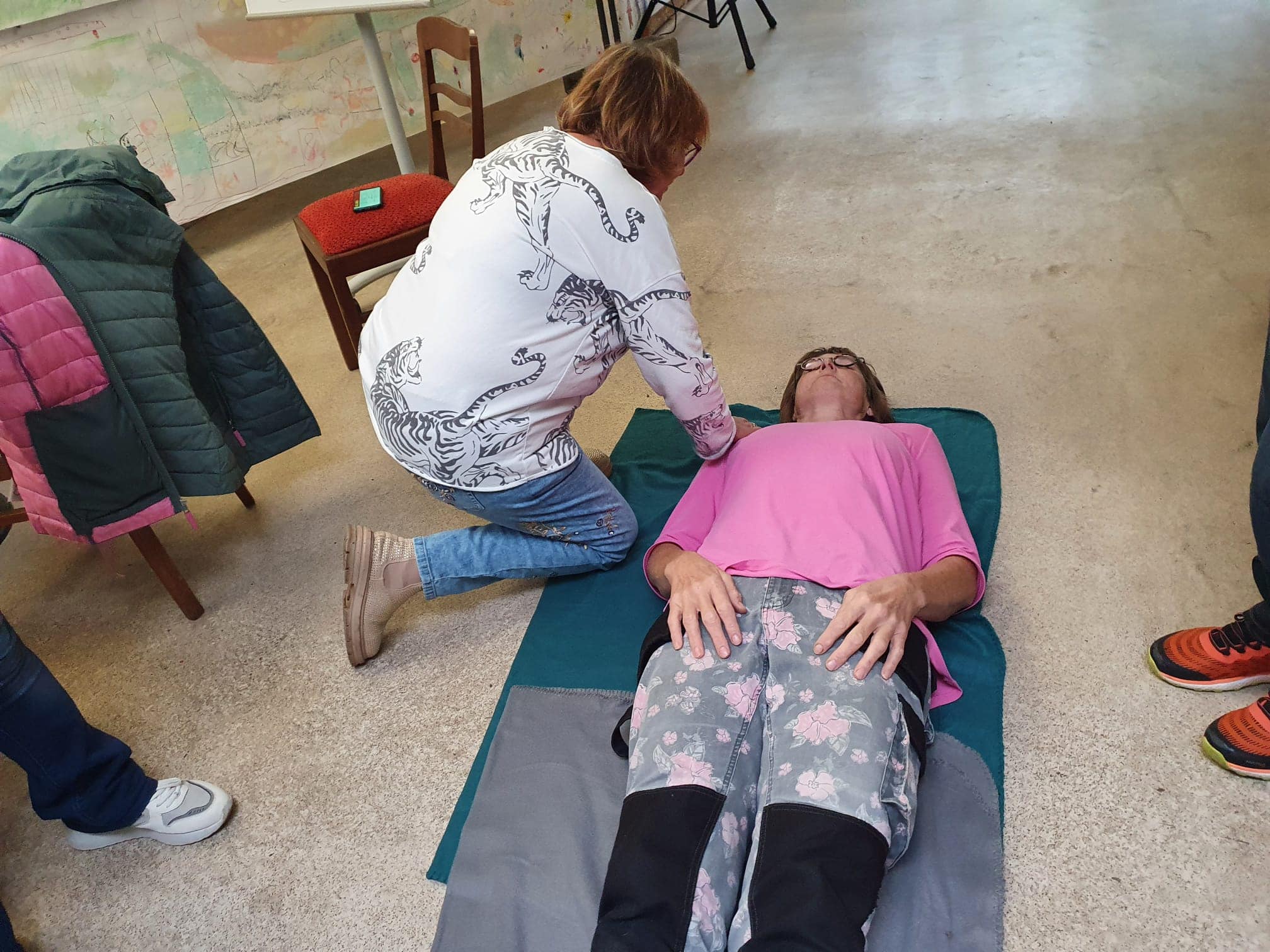
Due to the high level of interest, Module 5 Everyday support and care workers was offered a second time with extended content as part of the BIWAQ V training program for household-related services. Carina Deutscher, a speaker from a.l.s.o. Schwäbisch Gmünd, offered nine participants a comprehensive introduction to working with older people from 24.09. to 24.11.2025, accompanied by a German course given by Vera Holzwarth from the Schwäbisch Gmünd VHS.
As in the first successful run of this module in spring 2025, the aim was to give participants an insight into the varied tasks involved in care and nursing so that they can expand their knowledge and acquire new skills:
Three additional topics were added to the second round of Module 5:
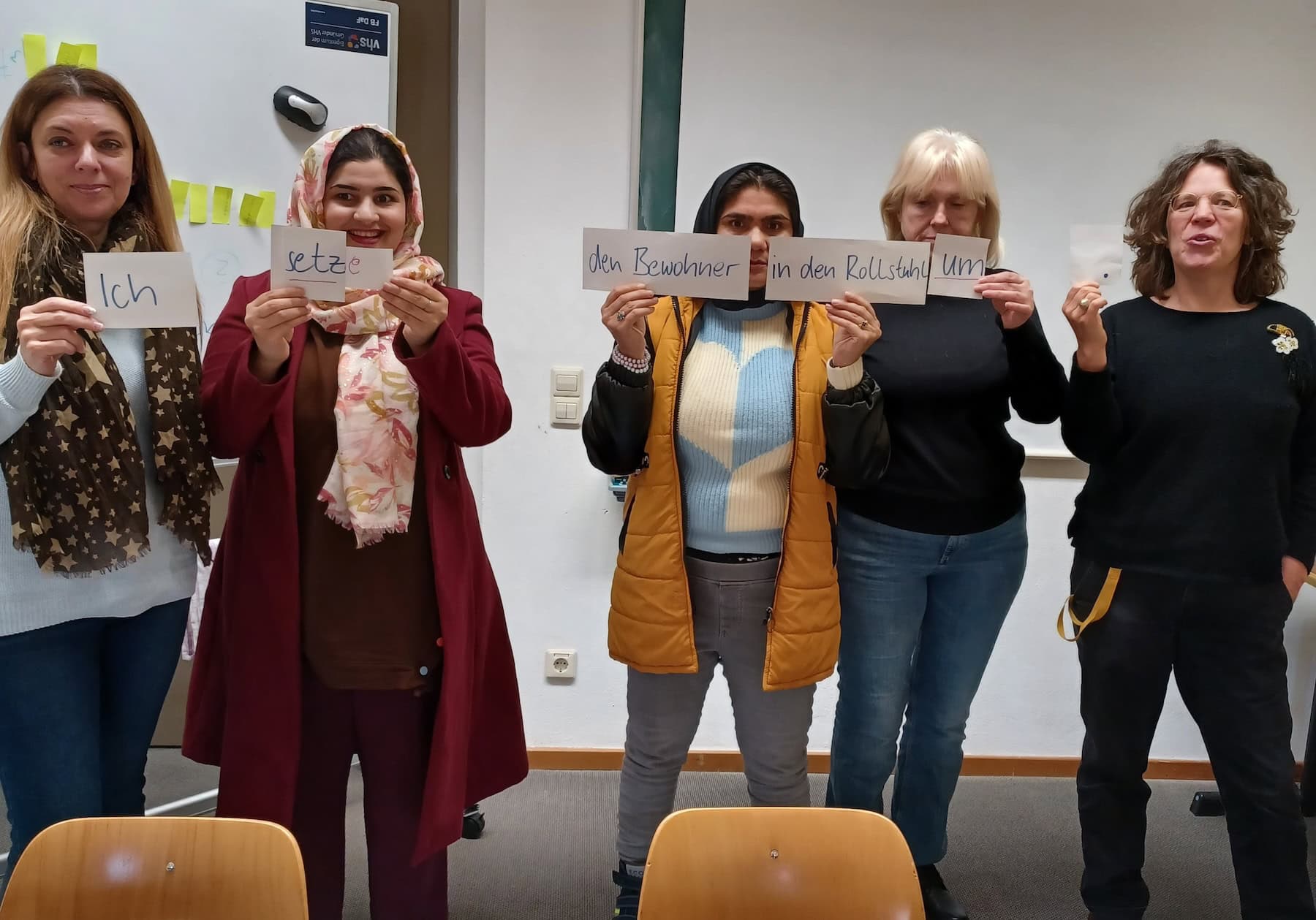
The module for everyday support/caregivers consisted of 16 sessions: Specialist theory with practice took place alternately on eight dates and a German course on eight dates. Here, the participants prepared the specialist vocabulary for each topic under the guidance of Vera Holzwarth. The German course took place in the BIWAQ training room in Unipark and the specialist theory with practice took place in a.l.s.o. training rooms.
Module 5 Everyday companionship and caregivers provided participants with comprehensive and valuable insights into this professional field through the combination of sound specialist theory and practical exercises. This is also evident from the feedback. Some of the participants would like to gain qualifications in this field. The BIWAQ team is currently looking into the possibilities for this.
Although the technical vocabulary was challenging, all participants were very satisfied with the training at the end. As in the previous modules, the combination of a German course beforehand and subsequent technical theory with practical elements proved to be particularly beneficial.
The training program for household-related services continues: Module 2 Cleaning/Hygiene is currently taking place for the third time. On 15.04.2026, Module 5 Everyday support and caregivers in senior citizen work will begin.
The technical theory with practice is offered on Monday mornings. All modules have the accompanying German course on Wednesday mornings.
10.03.2026
Vera Holzwarth