Training in household-related services
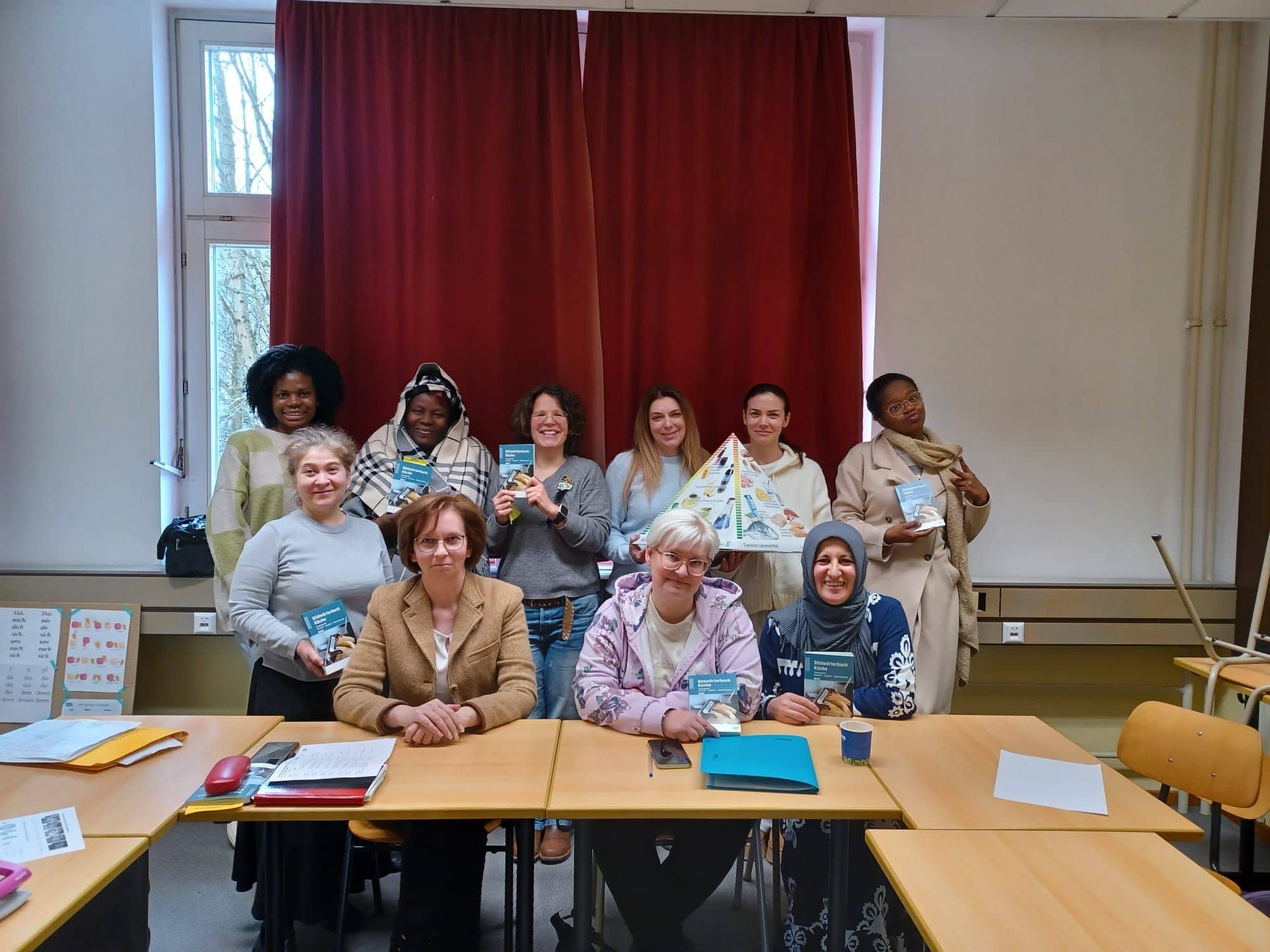
After the first and second successful runs of the BIWAQ V training program for household-related services with Module 3 Nutrition, the third run was launched in January 2026.
The training module Nutrition led by Christel Steiner, lecturer at the Gmünd VHS, provided 14 participants with in-depth specialist knowledge on various aspects of nutrition:
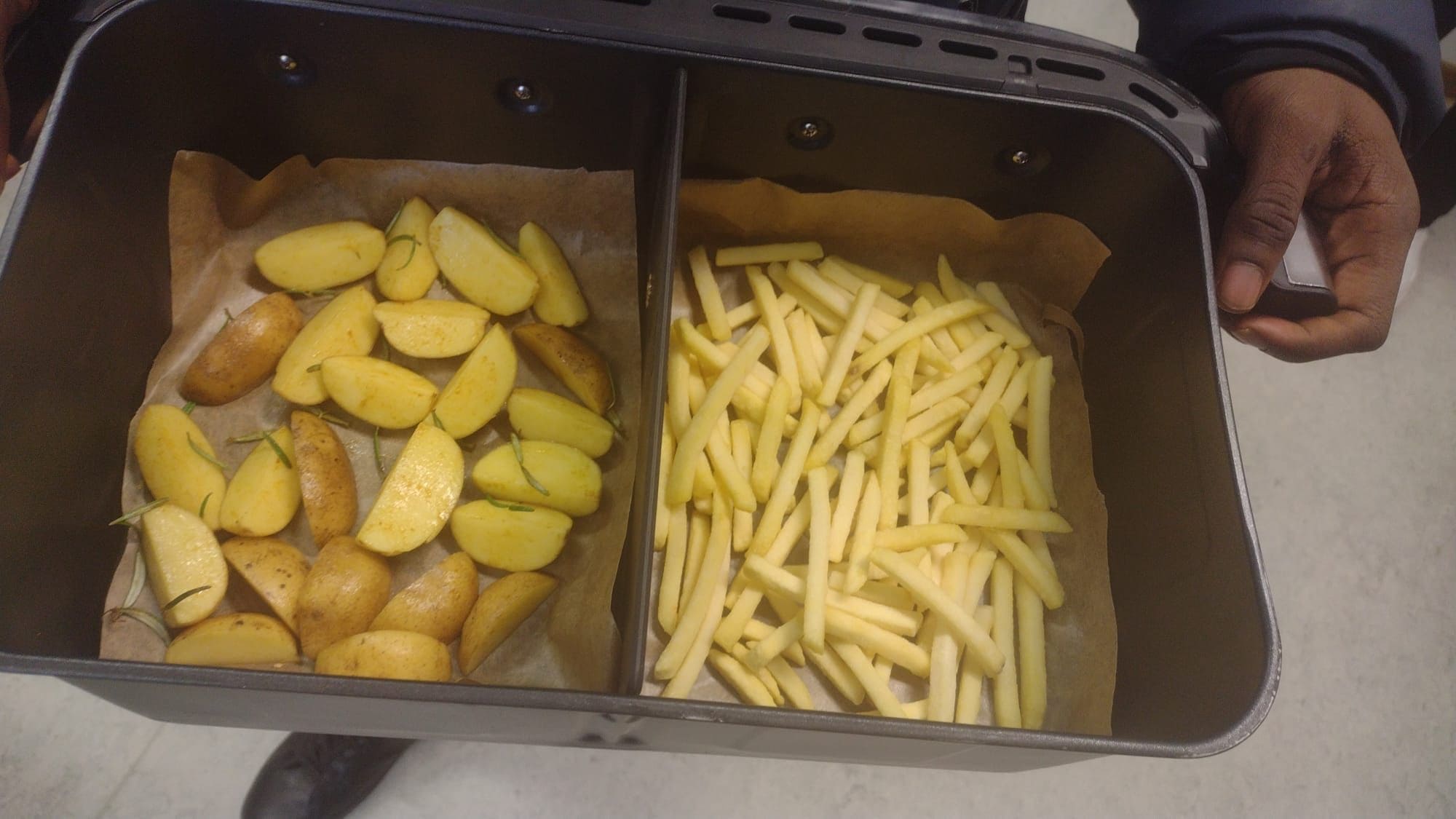
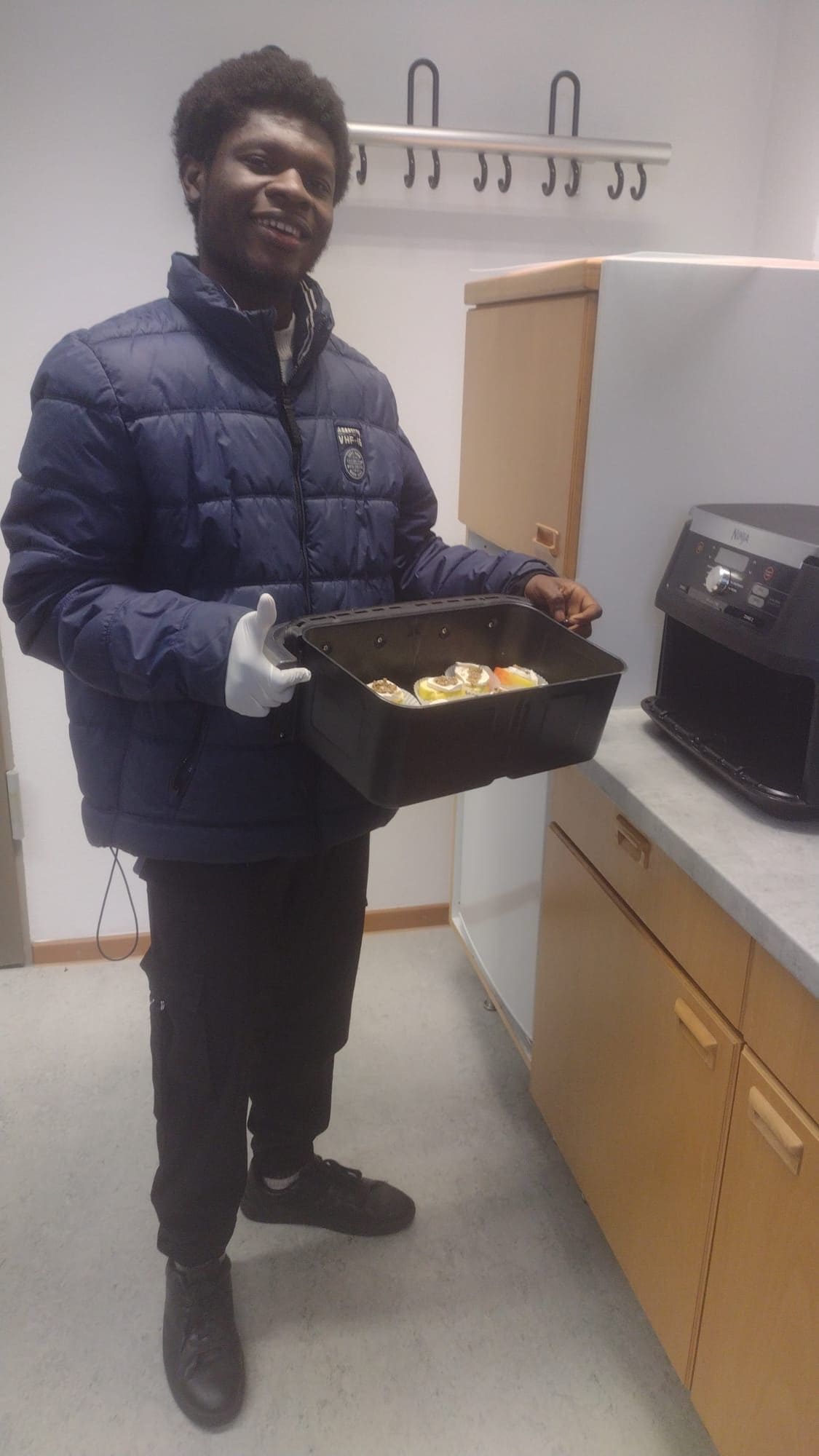
Each technical theory was vividly supplemented by a practical section. For example, in the household appliances unit, Christel Steiner demonstrated how to cook chips economically and effectively in a hot air fryer. The participants compared frozen chips with home-made chips as well as bought dips and home-made dips.
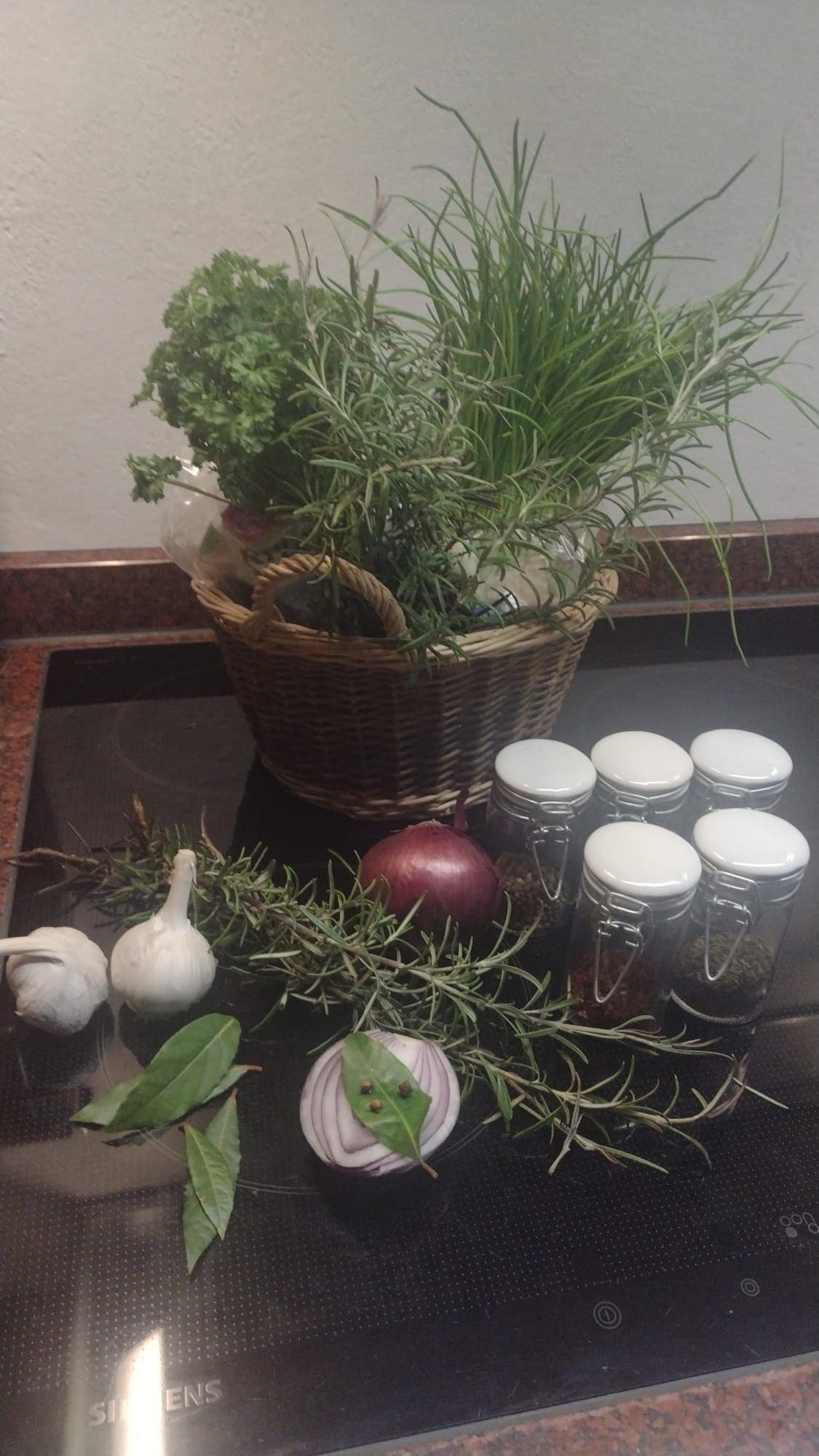
The price comparison showed that the home-made chips made from regional organic potatoes from the market were even cheaper than the frozen goods. Christel Steiner also pointed out their ecological advantages: no long transportation routes and shopping without plastic waste. When it came to dips, it was noticeable that ready-made products in shops are usually more expensive than a home-made organic herb and quark dip.
The participants then evaluated the taste, consistency and overall impression of the products in a test meal. The homemade fries impressed with their fresher taste and individual seasoning, while the frozen fries scored points for their uniform shape and crispy consistency. The homemade herb and quark dip was predominantly perceived as fresher and more aromatic, while the store-bought dips were sometimes described as more strongly seasoned or artificial in taste. In summary, it can be said that homemade products can offer advantages in terms of both taste and price, but require more time and preparation than ready-made products.
The nutrition module comprised eight sessions. This alternated between specialist theory/practice and the preparatory German course, which was led by Vera Holzwarth from the Gmünder VHS. In these units, the participants worked on the relevant technical vocabulary and also dealt with topics such as communication in the workplace.
According to feedback from the participants, the alternation between the German course and specialist theory proved to be particularly beneficial, as was the case in the first two rounds. The combination of practice-oriented content and language support enabled the participants to develop important skills that improve their career opportunities and at the same time make them more aware of their nutritional behavior in everyday life.
The specialist theory and the German course of Module 3 Nutrition took place in the BIWAQ training rooms in the Unipark.
The training program for household-related services continues:
On 23.03.2026, eleven participants completed Module 2 Cleaning/Hygiene.
On April 15, 2026, Module 5 Everyday support and caregivers in senior citizen work will start.
Monday mornings are spent in specialist theory and Wednesday mornings preparing specialist vocabulary in the accompanying German course.
26.03.2026
Vera Holzwarth